What Are the Latest Wearable Technology Updates for 2026?
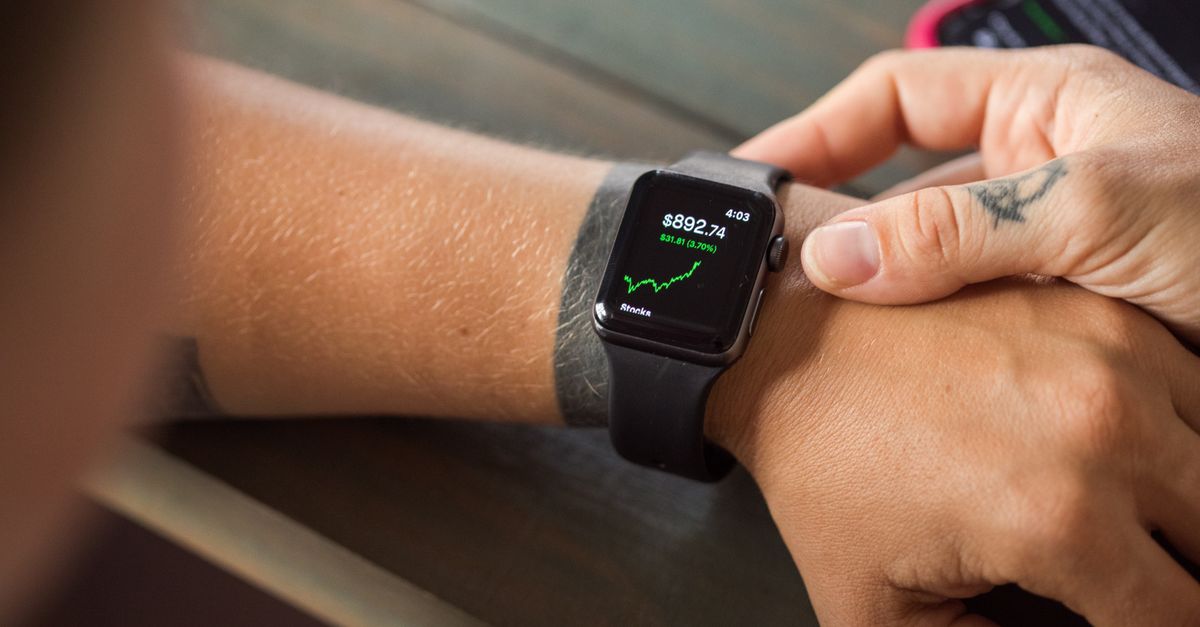
I’ve chased tech’s next big thing since my early twenties, but nothing thrills me more than watching wearable technology evolve. In 2026, the scene feels like a blend of deep learning, digital twins, and edge computing—each layer adding depth to what a smartwatch or health band can do. This interview‑style Q&A gathers the latest tech updates, trends, and practical advice on choosing and building with these systems.
1. The State of Wearable Tech in 2026
Manufacturers have moved from basic fitness tracking to platform‑centric ecosystems that support third‑party apps, medical diagnostics, and immersive AR overlays. Core hardware improvements—higher resolution displays, longer battery life via graphene batteries, and more robust sensor arrays—enable richer data streams.
The integration of digital twins into consumer wearables is a key change. A digital twin simulates your body’s physiological state in real time, allowing predictive health alerts before symptoms appear. Combined with deep learning models that run locally on the device, these systems can react in milliseconds without cloud reliance.
Early prototypes of wearable AI faced data latency issues when syncing sensor readings to the cloud. Edge inference now mitigates this problem and addresses privacy concerns users frequently raise.
2. Wearable Technology Trends: What’s New?
Wearables in 2026 are extensions of your digital identity. Key trends include:
- Biometric Expansion: From heart rate to blood oxygen, glucose, and even neurotransmitter levels via non‑invasive sensors.
- AR Integration: Heads‑up displays for navigation, gaming, and remote collaboration.
- Sustainable Materials: Biodegradable casings and recycled circuitry reduce environmental impact.
- Modular Design: Swappable modules let users upgrade sensors without buying a new device.
- Cross‑Platform Interoperability: APIs that allow third parties to pull data regardless of brand.
This convergence means developers must consider user experience, data pipelines, and regulatory compliance from day one.
Consumer Adoption Drivers
- Trust & Transparency: Users want clear explanations of how their data is processed. Wearables with on‑device privacy dashboards see higher engagement.
- Seamless Integration: Devices that sync effortlessly with existing smart home ecosystems, like Apple HomeKit or Google Assistant, reduce friction and encourage daily use.
- Personalization: Adaptive algorithms tailor notifications to individual circadian rhythms, turning generic alerts into actionable insights.
3. Deep Learning Breakthroughs in Wearable AI
The leap forward is not just in model size but in model efficiency. 2026 sees transformer‑based architectures trimmed to fit on a smartwatch’s limited GPU, thanks to knowledge distillation and neural architecture search.
Practical impacts:
- Health Monitoring: Real‑time anomaly detection for arrhythmia or hypoglycemia.
- Voice Assistants: On‑device speech recognition that respects privacy while offering instant responses.
- Emotion Recognition: Sensors capture micro‑expressions and physiological cues to adjust content delivery.
The tradeoff is higher power draw, but edge AI chips with low‑power modes keep battery life acceptable.
Model Optimization Techniques
- Quantization: Reducing precision from 32‑bit floats to 8‑bit integers without significant accuracy loss.
- Pruning: Removing redundant weights and neurons, cutting inference time by up to 40%.
- NAS: Automatically discovering compact model topologies tailored for specific sensor data streams.
A lightweight LSTM distilled from a larger network can classify REM, deep, and light sleep with 94% accuracy while consuming under 0.5 mW of power.
4. Digital Twins: From Concept to Consumer
A digital twin in the wearable context is a virtual replica that updates in real time, enabling predictive analytics—imagine being notified that your next workout should be lighter because cortisol levels are elevated.
Benefits of Digital Twins
- Personalized Coaching: Recommendations tailored to current physiological data.
- Medical Insights: Early detection of chronic conditions through longitudinal analysis.
- Simulation: Virtual testing of new workout regimens before applying them physically.
- Data Integrity: Secure, immutable logs that satisfy users and regulators.
The challenge is ensuring data fidelity between the physical sensor and its virtual counterpart—a problem deep learning models help bridge by correcting noise and drift.
Real‑World Use Case: Marathon Training
A runner’s wearable feeds heart rate, VO₂ max, hydration levels, and fatigue markers into a digital twin. The twin runs a physics‑based simulation of the next race day, predicting optimal pacing, nutrition timing, and rest periods. By adjusting variables in real time—such as increasing water intake when sweat rates spike—the athlete can avoid dehydration or overtraining.
Insurance Integration
Some insurers now accept digital twin data to validate claims for chronic disease management. The immutable logs provide auditors with a tamper‑evident trail, while predictive insights help reduce hospital readmissions.
5. Tech Comparisons: Choosing the Right Wearable Platform
When evaluating wearables for startups or personal use, I focus on three pillars: hardware capability, software ecosystem, and data governance. Below is a practical comparison of leading platforms.
Evaluation Criteria
- Sensor Suite: Accuracy, range, and type of physiological metrics captured.
- Edge Processing Power: CPU/GPU capabilities and support for on‑device ML inference.
- SDK/API Breadth: Availability of developer tools and third‑party integration points.
- Data Privacy & Security: Encryption standards, local storage options, and compliance with GDPR/HIPAA.
- Battery Life under Load: How long the device lasts during continuous monitoring.
Apple HealthKit offers a robust API but locks data behind its ecosystem. Google Fit provides open APIs but historically lacked advanced sensor integration until recent updates that added ECG and blood glucose support. Garmin excels in sports analytics but has limited on‑device deep learning inference.
Platform Snapshot Table
| Brand | Key Sensors | Edge AI Support | Developer Ecosystem | Privacy Controls |
|---|---|---|---|---|
| Apple | ECG, SpO₂, HRV | Neural Engine (S8‑S15) | HealthKit SDK, watchOS App Store | Encrypted on-device storage, user consent UI |
| ECG, SpO₂, PPG, Accelerometer | TensorFlow Lite Edge TPU | Fit APIs, Android Wear Studio | Opt‑in data sharing, GDPR compliant | |
| Garmin | HRV, GPS, Altimeter, SpO₂ (select models) | No dedicated AI chip; relies on cloud inference | Garmin Connect SDK, Open API | Local data storage with optional sync |
| Fitbit | Pedometer, HR, SpO₂, Skin Temperature | On-device ML for sleep stages | Fitbit Web API, Health app integration | User consent via web portal |
| Samsung | ECG, SpO₂, PPG, BioActive Sensors | Samsung Neural Processing Unit (NPU) | Tizen SDK, Galaxy Wearable API | Encrypted sync to Samsung Health Cloud |
6. Building Your Own Wearable Stack
The first step is defining the value proposition. Are you solving a health problem, boosting productivity, or creating entertainment? Once clear:
- Select a microcontroller with AI acceleration, e.g., Nordic nRF5340.
- Integrate sensors via I²C or SPI; validate accuracy against medical‑grade devices.
- Implement edge inference using TensorFlow Lite Micro or PyTorch Mobile, keeping latency below 200 ms.
- Develop a companion app that aggregates data, visualizes trends, and respects user consent.
User trust is the weakest link. Transparent data handling policies and clear opt‑in mechanisms are non-negotiable for health wearables.
Hardware Selection Cheat Sheet
- CPU/GPU Pairing: Dual cores with GPU shader units accelerate vision tasks like ECG analysis.
- Memory Footprint: 512 KB SRAM and 1 GB flash are common; more memory allows larger models.
- Connectivity: BLE 5.2 for low‑power data transfer, optional Thread or Zigbee for mesh networking.
Firmware Development Flow
- Prototype: Use a development board to test sensor libraries and basic data capture.
- Model Integration: Convert the trained model to TFLite Micro format; integrate with the RTOS scheduler.
- Testing: Perform unit tests for each sensor, integration tests for inference latency, and power profiling under load.
- Certification: If targeting medical claims, submit to relevant bodies (FDA 510(k) or CE marking).
7. Implementation Tips: Data Pipelines & Privacy
A streamlined pipeline:
- Sensor Capture: Raw data collected at maximum feasible sampling rate.
- Pre‑processing: Noise filtering (e.g., Kalman filter) and feature extraction on-device.
- Inference: Run lightweight models; flag inconclusive results for cloud validation.
- Storage & Sync: Encrypt locally, sync over BLE to the mobile device, then push to a HIPAA‑compliant backend when consented.
Edge computing reduces transmitted data, lowering bandwidth costs and mitigating privacy risks. Differential privacy techniques can further safeguard individual records while enabling population‑level analytics.
Secure BLE Practices
- Pairing: Use Just Works or Passkey for low friction; consider Secure Connections with ECDH for higher security.
- Data Encryption: AES‑CCM 128-bit encryption on all GATT writes/reads.
- Watchdog Reset: Prevents unauthorized firmware from staying resident after a crash.
Differential Privacy & Federated Learning
Federated learning lets the device train models locally while sending only gradient updates to a central server. Combined with differential privacy noise, this keeps raw data on the wrist, satisfying stringent regulations and building consumer confidence.
8. Common Mistakes to Avoid
- Underestimating Battery Drain: Advanced sensors + edge AI quickly exhaust power; plan for power management early.
- Ignoring Regulatory Standards: Health data is regulated—skip compliance testing and you’ll face legal consequences.
- Over‑engineering: Adding too many features can overwhelm users; focus on high‑impact use cases.
- Neglecting User Feedback Loops: Without iterative testing, the product may miss real‑world usability gaps.
Keeping these pitfalls in mind avoids costly redesigns and keeps developer momentum.
Edge AI and digital twins reduce latency and improve trust by keeping data local until validation or sharing is necessary.Additional Pitfall: Overreliance on Cloud
Many prototypes default to cloud inference for accuracy, but this introduces unpredictable latency and data exposure. A hybrid strategy—local inference with periodic cloud reconciliation—is safest.
9. Future Outlook and Market Projections
The wearable market is poised to grow from $25 B in 2025 to over $40 B by 2030, driven largely by healthcare applications. Key drivers include:
- Telemedicine Integration: Wearables become first‑line diagnostic tools during virtual visits.
- Wearable‑Enabled Insurance Models: Premiums adjust in real time based on activity and health metrics.
- Advanced AR/VR Synergy: Head‑mounted displays overlay biometric data onto the physical world, enhancing situational awareness for surgeons or athletes.
For developers, this means shifting from feature to value design. The most successful startups will translate raw sensor data into actionable insights while maintaining privacy and regulatory compliance.
I hope this breakdown gives you a clear map of where wearable technology sits today, what’s on the horizon, and how you can build responsibly. Whether you’re a developer launching a new health app or an enthusiast curious about the next generation of smart wearables, focus on data quality, user privacy, and practical use cases.
What feature do you think will have the biggest impact on consumer adoption of wearable technology in 2026?