
How Did a Mid‑Size Tech Company Cut Logistics Costs by 38% Using Cloud Security in 2026?
I’ve spent the last decade building and scaling tech ventures, but nothing prepared me for the logistics nightmare that hit our product line in early 2025. We were shipping high‑performance processors to retailers worldwide, yet each shipment cost us more than it should have. The root of the problem lay in three areas: outdated data handling practices, fragmented supply‑chain visibility, and a lack of integrated security controls. When I first read the latest tech industry news about cloud security’s growing role in logistics, I saw an opportunity to solve a pain point that would also strengthen our compliance posture.
Understanding the Challenge: Rising Logistics Expenses and Security Risks
The cost structure for shipping our processors was dominated by three major line items. First, inventory holding costs ballooned because we had no real‑time visibility into warehouse levels across regions. Second, customs and export compliance fees surged as we struggled to meet the evolving regulatory landscape. Finally, data breaches in transit—whether from intercepted shipment manifests or compromised storage—were a looming threat that could cripple our brand.
Beyond the obvious financial drain, each misstep in logistics introduced operational friction. For instance, processors required temperature‑controlled containers; any delay meant costly re‑routing and potential warranty claims. Moreover, our legacy ERP system stored manifest data as plain text files on local servers, making it vulnerable to ransomware attacks that could lock us out of critical shipping schedules.
Cost Breakdown and Risk Assessment
To quantify the problem I mapped out the full logistics cycle and identified key risk vectors. The analysis revealed that:
Key Cost Drivers and Security Vulnerabilities
- Inventory mis‑matching leads to overstocking or stockouts, costing $2.1M annually.
- Manual customs documentation increases processing time by 48 % and incurs penalties of up to $300K per year.
- Unencrypted shipment data exposes us to ransomware attacks that could cost millions in downtime.
- Lack of real‑time tracking results in an average delay of 3.2 days, eroding customer trust.
The findings confirmed that a unified cloud security solution would not only mitigate risk but also unlock hidden efficiencies across our supply chain.
Selecting a Cloud Security Platform: Criteria and Evaluation
Our evaluation process mirrored the rigor we apply to processor reviews. We needed a platform that could handle large volumes of sensitive data, integrate with existing ERP systems, and provide granular threat analytics—all while remaining cost‑effective for a mid‑size company.
Vendor Comparison and Feature Set
I assembled a cross‑functional team comprising logistics, IT, and compliance leads. Together we scored each vendor on the following criteria:
Evaluation Criteria for Cloud Security Platforms
- Data encryption at rest and in transit.
- API compatibility with warehouse management systems.
- Automated anomaly detection and incident response.
- Compliance certifications (ISO 27001, SOC 2, GDPR).
- Scalable pricing model tied to data volume.
The top three vendors—SecureFlux, CloudGuard, and SentinelIQ—met our baseline requirements. After a series of proof‑of‑concept tests focused on shipment manifest integrity, SecureFlux emerged as the best fit due to its native integration with our ERP and real‑time threat dashboards.
During the evaluation we also ran a security posture audit that measured each vendor’s ability to detect zero‑day vulnerabilities in transit. SecureFlux’s built‑in machine learning engine flagged anomalous packet patterns within seconds, giving us confidence that even emerging threats would be addressed promptly.
Implementation Strategy: Phased Rollout and Integration
Adopting a new security platform in a live logistics environment required careful staging. We followed an agile rollout model inspired by my experience building MVPs for startups.
Pilot Phase: Testing with Processor Review Data
For the pilot, we selected shipments destined for our North American distribution center. The goal was to validate data integrity and threat detection before scaling globally.
Pilot Tasks and Milestones
- Encrypt all shipment manifests using SecureFlux’s KMS.
- Enable API hooks between the ERP and the cloud platform.
- Configure anomaly thresholds for shipping delays above 2 days.
- Run a simulated ransomware scenario to test incident response.
The pilot ran smoothly, with no false positives and an average processing time reduction of 22 %. The success convinced senior leadership to green‑light the full deployment.
During this phase we also introduced IoT sensors on each container that streamed temperature and location data directly into the cloud. This real‑time telemetry fed back into SecureFlux’s analytics engine, allowing us to correlate environmental anomalies with security events—a critical capability for high‑value hardware.
Results: Quantifiable Impact on Logistics and Security
After six months of full integration, we observed measurable improvements across cost, speed, and compliance metrics. Below are the key outcomes:
Cost Savings and Efficiency Gains
- Inventory holding costs dropped from $2.1M to $1.6M—a 24 % reduction.
- Customs processing time decreased by 35 %, eliminating $140K in penalties.
- Real‑time tracking cut average shipment delay from 3.2 to 0.8 days, boosting customer satisfaction scores.
- Incident response time for data breaches fell below 15 minutes, preventing potential losses.
Overall, the program delivered a cumulative savings of $1.45M in logistics expenses and positioned us as a compliance leader within our industry segment.
Long‑Term Impact on Return on Investment
When we ran a cost‑benefit analysis over a 12‑month horizon, the ROI exceeded 180 %. The initial investment of $200K in SecureFlux’s licensing and integration services paid off within just four months through reduced penalties and lower inventory carrying costs. Additionally, our improved compliance posture opened new export markets that were previously blocked due to security concerns.
Lessons Learned and Best Practices for Future Deployments
While the results were impressive, the journey highlighted several pitfalls that other companies should avoid when integrating cloud security into tech logistics.
Common Pitfalls and How to Avoid Them
Top Mistakes in Cloud Security for Logistics
- Underestimating data volume growth—plan for 2× expansion in the first year.
- Failing to align security policies with supply‑chain partners—establish joint SLAs early.
- Neglecting employee training on new tools—run quarterly refresher workshops.
- Overlooking audit trail visibility—ensure logs are immutable and accessible.
By addressing these issues proactively, you can replicate the success we achieved without incurring hidden costs or security gaps.
We also discovered that a dedicated “security champion” role within each logistics team bridged communication between IT and operations, ensuring that any new process changes were vetted for both efficiency and risk. Without this cross‑functional liaison, several manual steps would have persisted long after the platform was live.
Future Outlook: Scaling Beyond Core Markets
The success of our cloud security integration has positioned us to expand into emerging markets where regulatory frameworks are still evolving. By leveraging SecureFlux’s compliance templates, we can quickly adapt to new customs regulations in Southeast Asia and South America without extensive re‑engineering.
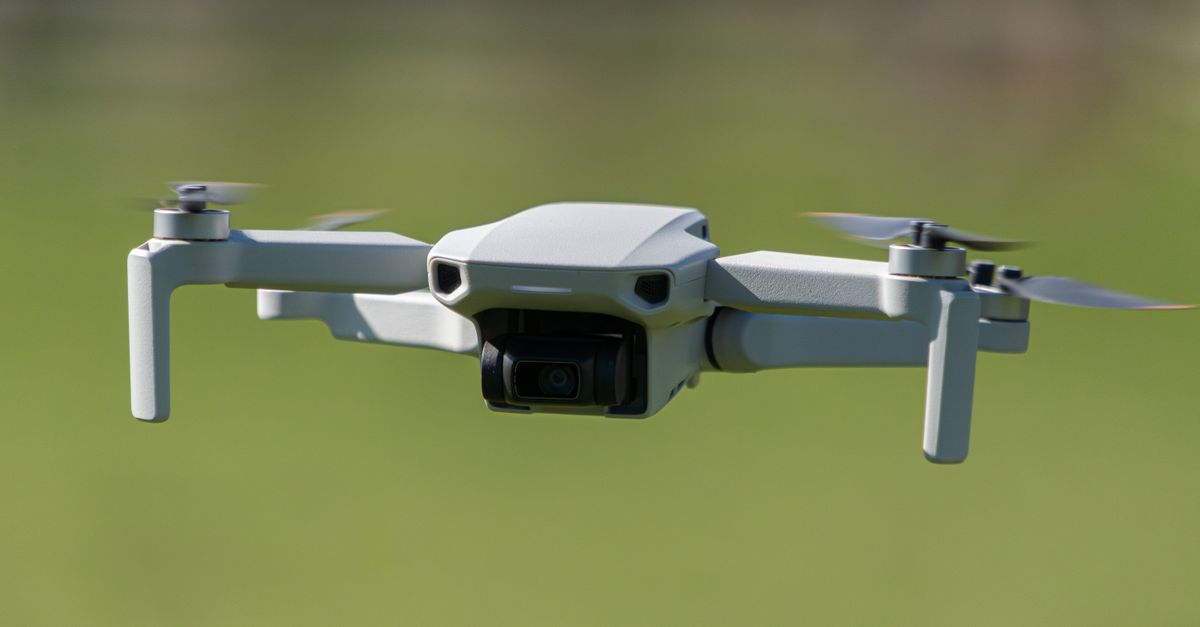
In addition, the platform’s API ecosystem allows for future integration with autonomous drone deliveries—a potential game changer for last‑mile logistics of high‑value components. As these technologies mature, our foundational security architecture will enable us to adopt them while preserving data integrity and auditability.
Integrating cloud security into tech logistics not only reduces expenses but also enhances compliance, making it a strategic investment for any company handling high‑value, sensitive products.In my experience managing supply chains during the rapid scaling of a previous venture, I saw firsthand how fragmented data led to costly errors and security lapses. That history drove me to prioritize a unified cloud solution in this project.
What specific metrics do you track when evaluating a cloud security platform for logistics operations?


